

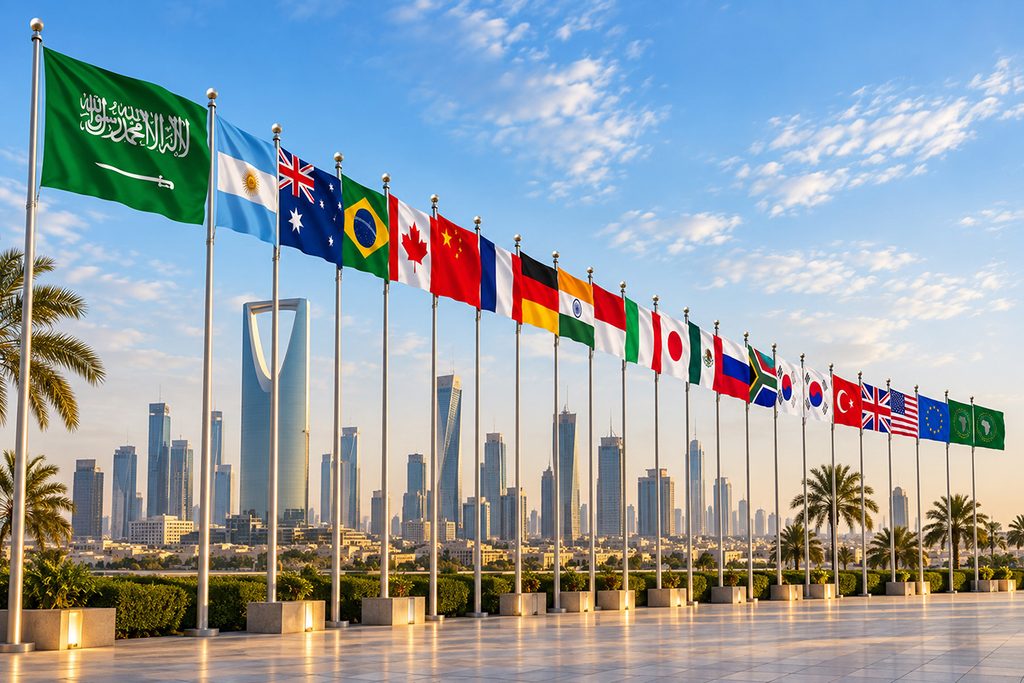
Saudi Arabia highlighted the importance of building stronger and more resilient economies amid global geopolitical uncertainty, debt pressures and disruptions to trade and supply chains during the latest G20 Finance Ministers and Central Bank Governors Meeting.
Saudi Finance Minister Mohammed Al-Jadaan stressed that economies should strengthen their ability to withstand future shocks through diversified production, adequate inventories, resilient infrastructure and effective debt management. He also emphasised the importance of identifying structural constraints to growth and adapting economic policies as conditions evolve.
The Kingdom’s own economic indicators continue to demonstrate resilience. Saudi inflation averaged 1.8% during the first seven months of 2026, while non-oil activities continued to expand, supported by structural reforms, private-sector participation and sustained investment.
Domestic demand also remains an important driver of growth, backed by a stable labour market, government expenditure and the continued implementation of major public- and private-sector projects. The overall unemployment rate reached a record low of 3.1% in Q1 2026, while unemployment among Saudi nationals stood at 6.4%.
Discussions at the G20 also addressed artificial intelligence and its potential contribution to innovation, productivity and economic growth, alongside sovereign debt, global imbalances and long-term sustainable growth.
Saudi Arabia’s participation reinforces the Kingdom’s continued focus on economic diversification, private-sector development and long-term resilience, in line with its broader economic transformation agenda.
Source: https://www.arabnews.com/business/inflation-under-control-domestic-demand-key-to-growth-sama-governor-3000235