

Imagine Silicon Valley—now place it in the heart of the Middle East. Saudi Arabia isn’t just dreaming; it’s actively shaping itself as the next tech powerhouse, poised to redefine innovation in the region.
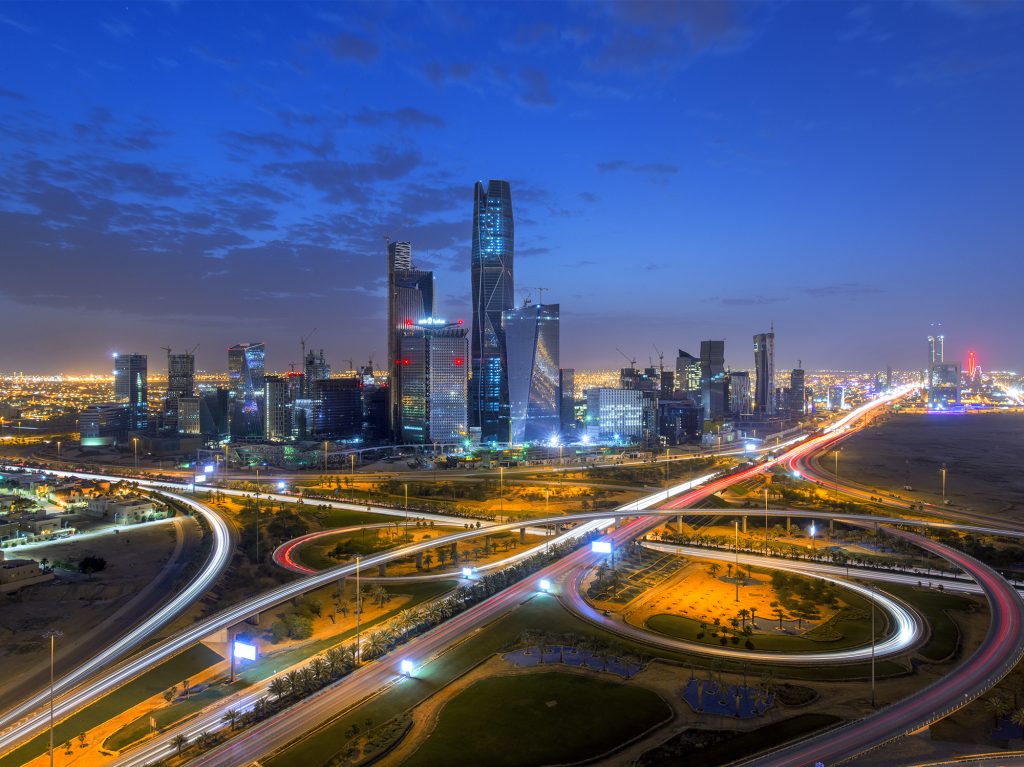
But why Saudi Arabia? Three major factors set the Kingdom apart:
1. Ambitious Sovereign Investment
Saudi Arabia isn’t playing small. With a staggering $40 billion investment dedicated solely to AI, it’s setting the stage for revolutionary changes. This isn’t just money thrown at tech—it’s strategic capital driving large-scale transformation. It’s the kind of investment that attracts global innovators, signaling a shift from simply consuming technology to creating it.
2. Clear and Encouraging Regulatory Environment
Unlike other regions tangled in regulatory debates, Saudi Arabia has opted for clarity and decisiveness. The Saudi Capital Market Authority (CMA) has quietly but effectively issued over 80 tokenization licenses since 2021, emphasizing their intention to foster innovation. Clear regulations and swift onboarding frameworks mean that Saudi Arabia isn’t just open for business; it’s aggressively promoting innovation.
3. Powerful Partnerships and Infrastructure
Saudi Arabia isn’t waiting for innovation—it’s building it from the ground up. The partnership between Saudi Aramco and US-based droppGroup exemplifies this approach, creating foundational AI and blockchain systems. These collaborations don’t merely follow global trends; they set them, powering critical industries like energy, logistics, and education.
Energy: Predictive maintenance powered by AI could save billions by preventing costly outages at Aramco’s sprawling oil fields.
Logistics: AI-driven systems promise streamlined supply chains, significantly reducing delays at crucial ports like Jeddah and optimizing the operations of global trade hubs like NEOM.
Education: Platforms such as the National e-learning initiative harness AI to personalize learning experiences, equipping students with vital skills for a digital-first economy.
Building a Digital Workforce
Perhaps the most transformative impact of Saudi Arabia’s Silicon Valley dream is on its workforce. Vision 2030’s Human Capability Development Program emphasizes transitioning workers from routine roles to knowledge-driven positions. This transformation will foster roles like data scientists, AI engineers, and innovation managers—essential for a diversified, future-ready economy.
Setting a Global Example
Saudi Arabia isn’t simply replicating Silicon Valley—it’s building something uniquely suited to its national priorities and strengths. Its vision includes sovereign-scale digital infrastructure, emphasizing trust, equity, and intelligence.
By aligning robust capital, decisive regulations, and strategic global partnerships, Saudi Arabia doesn’t just have the potential to become the next tech hub—it’s actively pulling the future towards itself.